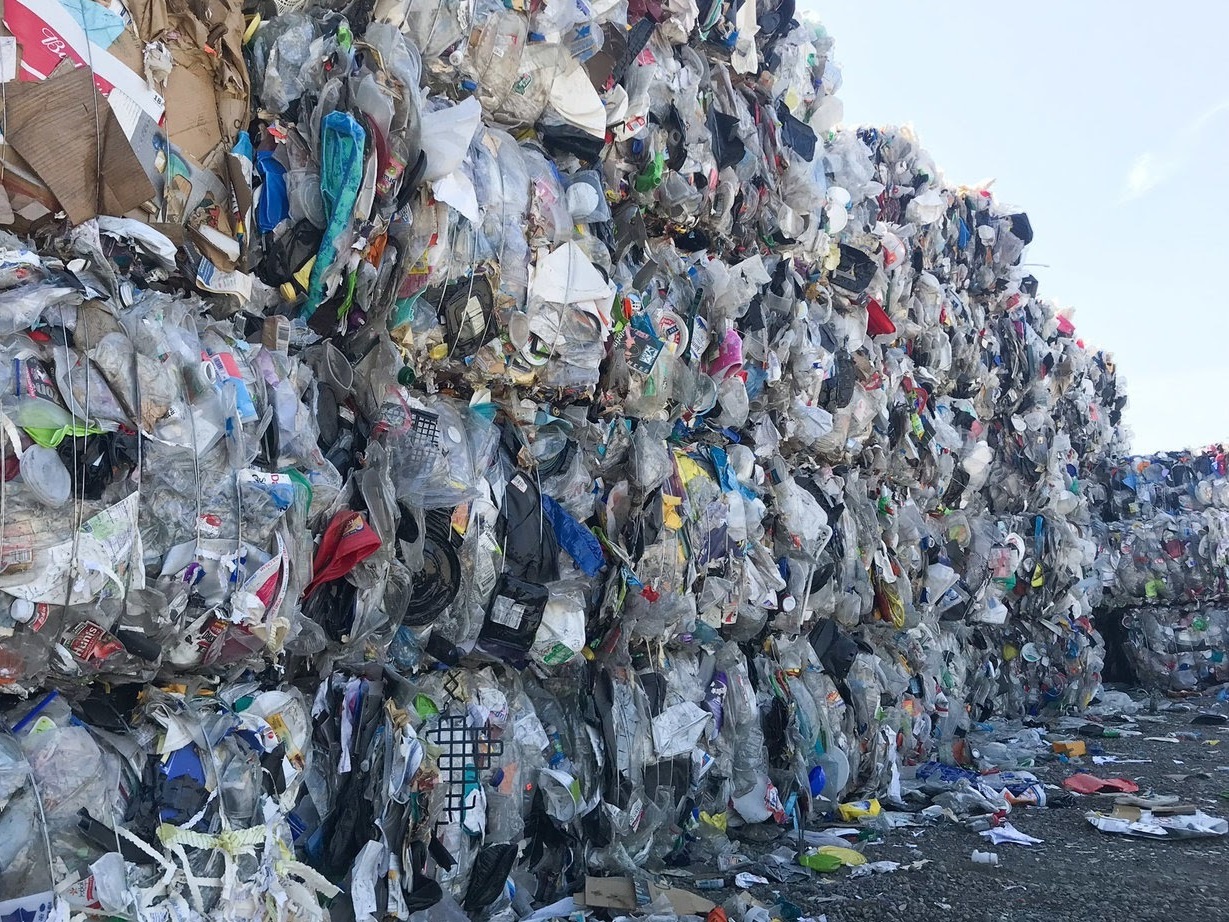
Solid waste management is facing increasing pressure from growing urban populations, industrial expansion, and stricter environmental regulations. Traditional thermal recycling methods often struggle with unstable operation, limited processing capacity, frequent downtime, and intensive manual supervision. Batch pyrolysis systems, while useful for certain applications, usually require repeated feeding, heating, cooling, and discharge cycles, which can reduce productivity and increase energy consumption. These challenges create obstacles for investors and engineering contractors seeking reliable waste treatment solutions with stronger economic performance. The global market now demands high-throughput recycling technologies that can transform difficult waste streams into valuable resources while improving operational efficiency. Modern facilities require equipment capable of continuous feeding, stable thermal control, reduced labor dependence, and better resource recovery. Continuous pyrolysis technology is emerging as a strategic solution for circular economy projects because it supports large-scale waste conversion with improved process stability. By integrating advanced reactor designs and automated control systems, this approach helps industrial operators achieve more efficient waste utilization, lower operating risks, and sustainable long-term returns in the competitive environmental recycling sector.
Why Traditional Solid Waste Recycling Needs Technological Upgrades
Conventional waste treatment facilities often face limitations caused by inconsistent material supply, rising energy prices, and increasing labor expenses. In many batch-based operations, workers must frequently manage loading, unloading, temperature adjustment, and production interruptions. These repeated procedures can reduce equipment utilization and make it difficult for investors to predict production costs. Advanced recycling projects increasingly focus on improving automation levels and maximizing resource recovery from complex waste materials.
Continuous pyrolysis technology addresses these issues by creating a streamlined thermal conversion process. Unlike intermittent systems, it allows waste materials to move through the reactor in a stable flow, supporting longer operating periods and more consistent output quality. This efficiency improvement is particularly valuable for industrial facilities processing large quantities of waste every day.
How Continuous Pyrolysis Technology Improves Industrial Efficiency
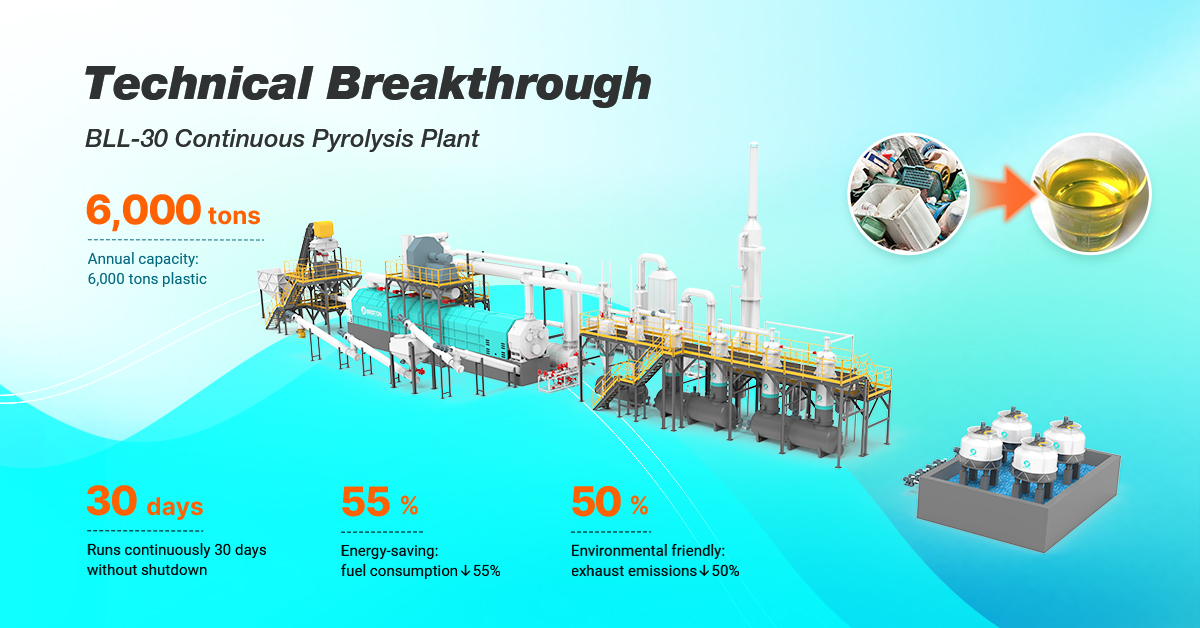
The main advantage of modern pyrolysis solutions is their ability to maintain continuous operation with reduced human intervention. Automated feeding systems, intelligent temperature monitoring, and optimized gas circulation contribute to safer and more stable production. These improvements help operators reduce unnecessary energy losses while increasing the availability of recycling equipment.
For investors evaluating new environmental infrastructure, a continuous pyrolysis plant can provide a practical pathway toward higher processing capacity. Such systems are designed for industrial-scale applications where consistent performance, lower maintenance requirements, and improved operational control are essential factors in project planning.
Applications Across Different Waste Recycling Industries
One important feature of advanced thermal recycling systems is their adaptability to multiple waste categories. Plastic waste, rubber materials, and other carbon-based resources can be processed through carefully controlled heating conditions to produce useful outputs such as fuel oil, carbon products, and combustible gas. This flexibility supports the development of integrated recycling networks.
In plastic waste management projects, specialized equipment can help address the growing challenge of discarded polymer materials. A plastic pyrolysis plant provides a method for converting difficult-to-recycle plastics into valuable resources while reducing dependence on traditional disposal methods. This approach aligns with global efforts to strengthen circular economy systems and improve material recovery rates.
- Processes challenging solid waste streams that are difficult to handle through conventional recycling methods.
- Supports resource recovery by converting waste materials into reusable energy products and industrial materials.
- Improves environmental performance through reduced landfill dependence and optimized waste utilization.
Economic and Environmental Benefits for Project Investors
For waste treatment investors, profitability depends on reliable operation, marketable products, and controlled operating expenses. Continuous processing models can improve production scheduling and help facilities maintain stable output. Better automation also reduces the need for extensive manual management, allowing companies to allocate resources more effectively.
Environmental benefits are equally important. By recovering value from waste materials, modern pyrolysis systems can reduce landfill pressure and support resource conservation. These advantages make them attractive for municipalities, private recycling companies, and engineering contractors developing sustainable waste management infrastructure.
Supporting Circular Economy Development With Advanced Recycling Solutions
The transition toward a circular economy requires technologies that connect waste generation with resource recovery. Industrial recycling facilities must not only handle increasing waste volumes but also create commercially valuable outputs. Continuous thermal conversion systems offer a foundation for building more resilient recycling supply chains.
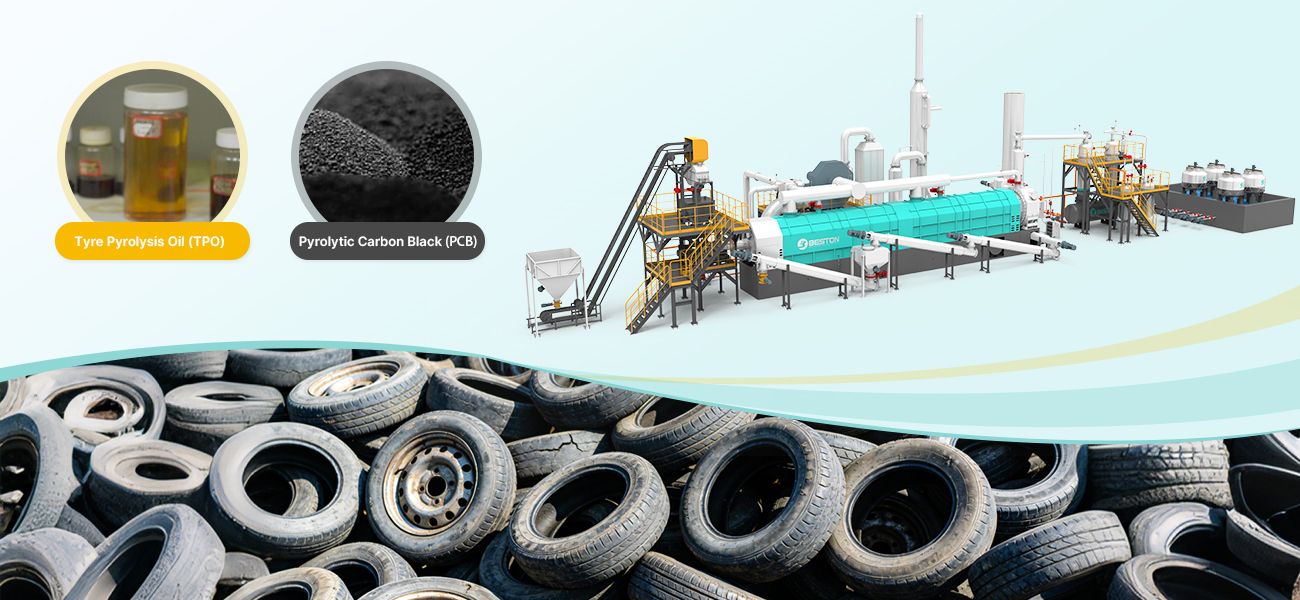
For rubber waste applications, a tire pyrolysis plant can help transform discarded tires into useful products while addressing environmental concerns associated with tire accumulation. Such solutions demonstrate how innovative recycling methods can combine economic opportunities with responsible waste management practices.
Future Outlook of Continuous Pyrolysis Technology
As environmental policies become stricter and resource shortages increase, industrial recycling companies will continue searching for efficient waste conversion methods. Future developments are expected to focus on smarter automation, improved energy management, and stronger integration with digital monitoring platforms. These upgrades will further enhance operational reliability and investment value.
Companies with extensive experience in environmental equipment development, such as Beston Group, contribute to the expansion of advanced recycling solutions for global markets. The continued adoption of continuous pyrolysis technology represents an important step toward cleaner production systems, improved waste resource utilization, and sustainable industrial development.