Industrial biomass recycling is entering a new stage as waste treatment operators and circular economy investors search for solutions that can process larger volumes with lower operating pressure. Traditional batch pyrolysis systems often face challenges including irregular production cycles, repeated manual intervention, unstable thermal performance, and excessive energy consumption during heating and cooling stages. These limitations increase labor costs while reducing the economic value of agricultural residues, forestry waste, and other organic resources. As global industries accelerate their transition toward resource recovery, there is growing demand for high-throughput solid waste recycling systems that deliver consistent output, improved energy efficiency, and stronger environmental performance. Modern continuous pyrolysis technology is becoming a strategic option because it enables automated feeding, stable processing conditions, and scalable operation for industrial facilities. For investors planning waste treatment projects, selecting advanced thermal conversion solutions can improve project profitability while supporting carbon reduction goals and circular economy development. The evolution from small-scale processing toward industrial automation represents a significant opportunity for companies seeking reliable recycling infrastructure.
Industrial Challenges Driving Advanced Biomass Conversion Solutions
Waste management facilities worldwide are under pressure to handle increasing quantities of organic materials while meeting stricter environmental regulations. Agricultural by-products, wood residues, and other biomass resources are often underutilized because conventional recycling methods cannot always provide efficient treatment capacity. Industrial operators require systems that reduce downtime, optimize heat utilization, and create valuable products from previously discarded materials. Continuous processing designs address these concerns by improving workflow stability and reducing dependence on manual operations. This shift allows engineering contractors and plant investors to consider long-term solutions that combine environmental responsibility with commercial returns.
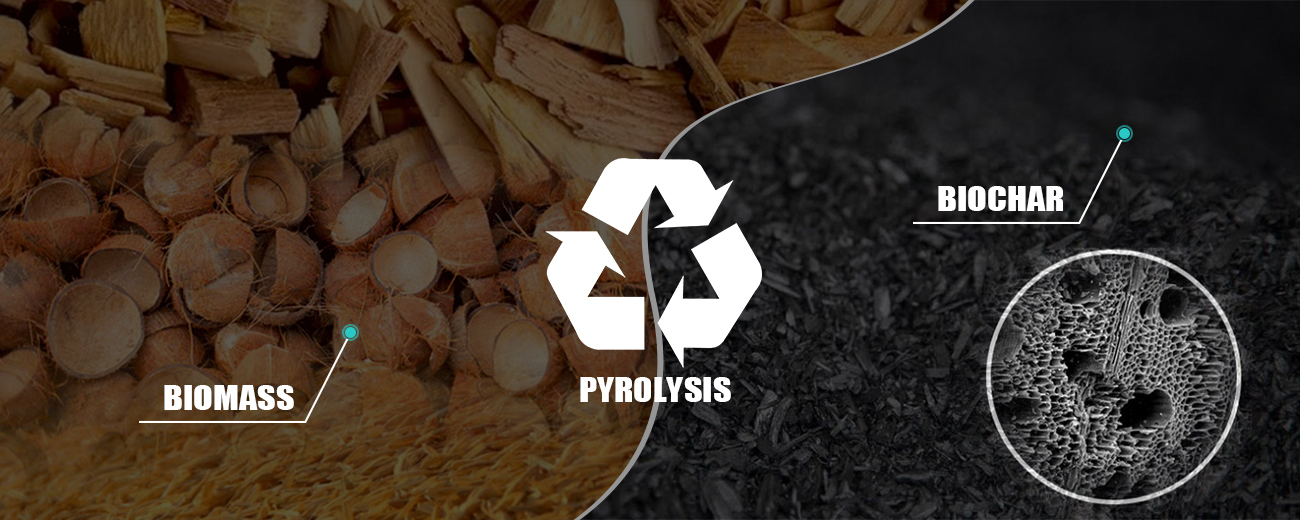
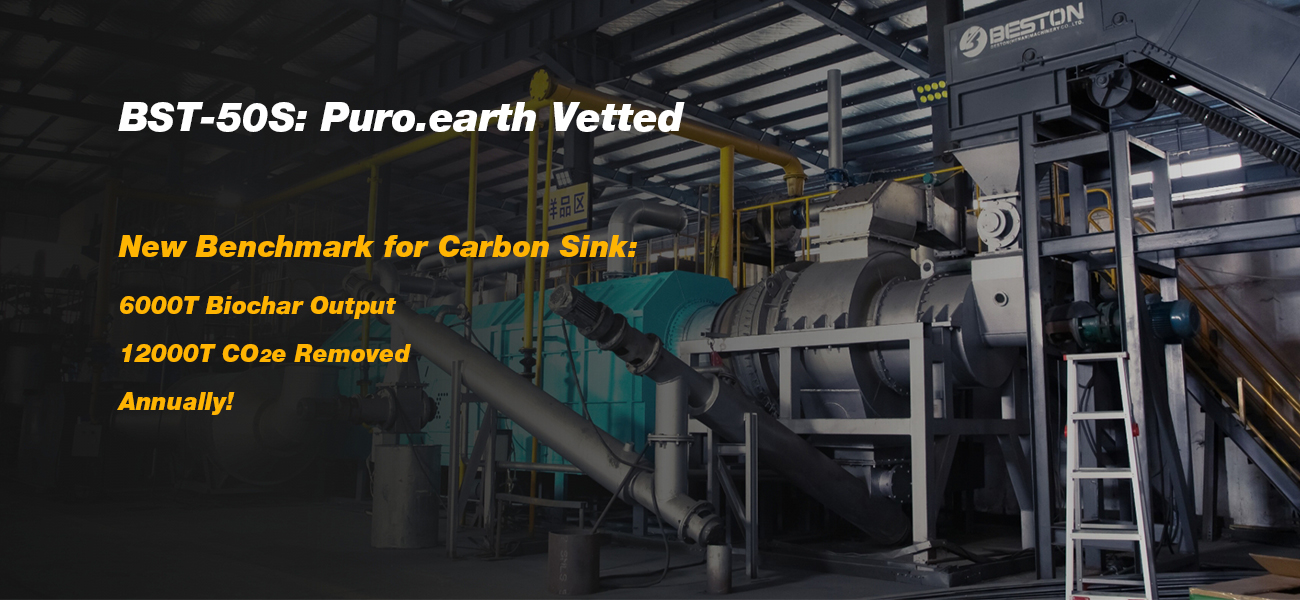
One important development in this field is the application of advanced biochar pyrolysis equipment, which supports large-scale resource recovery through controlled thermal decomposition. These systems are designed to maintain consistent operating temperatures, improve material conversion rates, and support automated production management. For recycling enterprises, the integration of intelligent control systems can significantly enhance operational reliability and reduce the risks associated with outdated processing methods.
How Continuous Pyrolysis Technology Improves Industrial Efficiency
Continuous pyrolysis technology provides a more efficient approach compared with traditional batch treatment by allowing uninterrupted material feeding and product collection. Industrial facilities can achieve higher throughput because the process does not require frequent shutdowns for loading and unloading. Improved heat transfer systems also help reduce unnecessary energy losses, creating a more sustainable production model. This efficiency is especially valuable for investors developing large recycling plants where operational consistency directly affects financial performance and environmental compliance.
Automation is another key advantage of modern recycling systems. Sensors, digital monitoring platforms, and optimized control programs allow operators to track temperature, pressure, and production conditions in real time. These features reduce labor requirements and improve safety management. For companies expanding their resource recovery capabilities, selecting a reliable biomass pyrolysis machine can provide a foundation for efficient industrial processing while supporting flexible applications across different waste streams.
Supporting Circular Economy Development With Valuable Outputs
The transformation of biomass waste into useful products creates new opportunities for circular economy businesses. Instead of sending organic residues to disposal facilities, recycling plants can convert them into carbon-rich materials, renewable energy resources, and other commercial products. This approach helps reduce landfill dependency while improving resource utilization. Environmental recyclers and engineering contractors increasingly recognize that advanced thermal conversion projects can contribute to both sustainability targets and revenue generation strategies.
Large-scale facilities require carefully designed systems that match local waste availability, production goals, and environmental standards. Modern biochar equipment can be integrated into industrial projects to support efficient material handling and stable output quality. Proper system selection, professional installation, and ongoing technical support are essential factors for achieving reliable operation throughout the equipment lifecycle.
Investment Considerations for Future Recycling Projects
For investors evaluating new waste treatment opportunities, industrial pyrolysis projects should be assessed from multiple perspectives, including feedstock availability, processing capacity, energy consumption, and market demand for final products. A successful facility depends on balancing technology performance with operational economics. Advanced designs that prioritize automation and energy recovery can help reduce long-term costs while improving competitiveness in the expanding recycling market.
Project developers should also consider scalability because waste volumes may increase as regional recycling programs expand. A modular approach enables facilities to adjust capacity according to future requirements. Choosing a specialized pyrolysis plant for biochar can support customized industrial solutions that align with different feedstock conditions and investment objectives. Careful planning helps businesses create resilient infrastructure for sustainable resource management.
Future Outlook of Industrial Biomass Recycling
The future of biomass recycling will depend on technologies that combine efficiency, automation, and environmental performance. As industries move toward lower-carbon operations, continuous pyrolysis technology is expected to play a larger role in converting organic waste into valuable resources. Its ability to improve processing capacity, reduce operating challenges, and support circular economy goals makes it an attractive solution for global recycling markets.
- Higher processing stability through continuous operation and automated control systems.
- Lower operational pressure through improved energy management and reduced manual intervention.
- Greater resource recovery potential by transforming waste materials into commercially valuable products.
For waste treatment investors, environmental recyclers, and engineering contractors, adopting efficient thermal conversion infrastructure represents a practical pathway toward sustainable industrial development. As market demand grows for high-performance recycling solutions, advanced pyrolysis systems will continue to influence the next generation of resource recovery facilities.