New Efficiency of Solid Waste Recycling Through Continuous Pyrolysis Technology

Solid waste management is facing increasing pressure from growing urban populations, industrial expansion, and stricter environmental regulations. Traditional thermal recycling methods often struggle with unstable operation, limited processing capacity, frequent downtime, and intensive manual supervision. Batch pyrolysis systems, while useful for certain applications, usually require repeated feeding, heating, cooling, and discharge cycles, which can reduce productivity and increase energy consumption. These challenges create obstacles for investors and engineering contractors seeking reliable waste treatment solutions with stronger economic performance. The global market now demands high-throughput recycling technologies that can transform difficult waste streams into valuable resources while improving operational efficiency. Modern facilities require equipment capable of continuous feeding, stable thermal control, reduced labor dependence, and better resource recovery. Continuous pyrolysis technology is emerging as a strategic solution for circular economy projects because it supports large-scale waste conversion with improved process stability. By integrating advanced reactor designs and automated control systems, this approach helps industrial operators achieve more efficient waste utilization, lower operating risks, and sustainable long-term returns in the competitive environmental recycling sector.

Why Traditional Solid Waste Recycling Needs Technological Upgrades

Conventional waste treatment facilities often face limitations caused by inconsistent material supply, rising energy prices, and increasing labor expenses. In many batch-based operations, workers must frequently manage loading, unloading, temperature adjustment, and production interruptions. These repeated procedures can reduce equipment utilization and make it difficult for investors to predict production costs. Advanced recycling projects increasingly focus on improving automation levels and maximizing resource recovery from complex waste materials.

Continuous pyrolysis technology addresses these issues by creating a streamlined thermal conversion process. Unlike intermittent systems, it allows waste materials to move through the reactor in a stable flow, supporting longer operating periods and more consistent output quality. This efficiency improvement is particularly valuable for industrial facilities processing large quantities of waste every day.
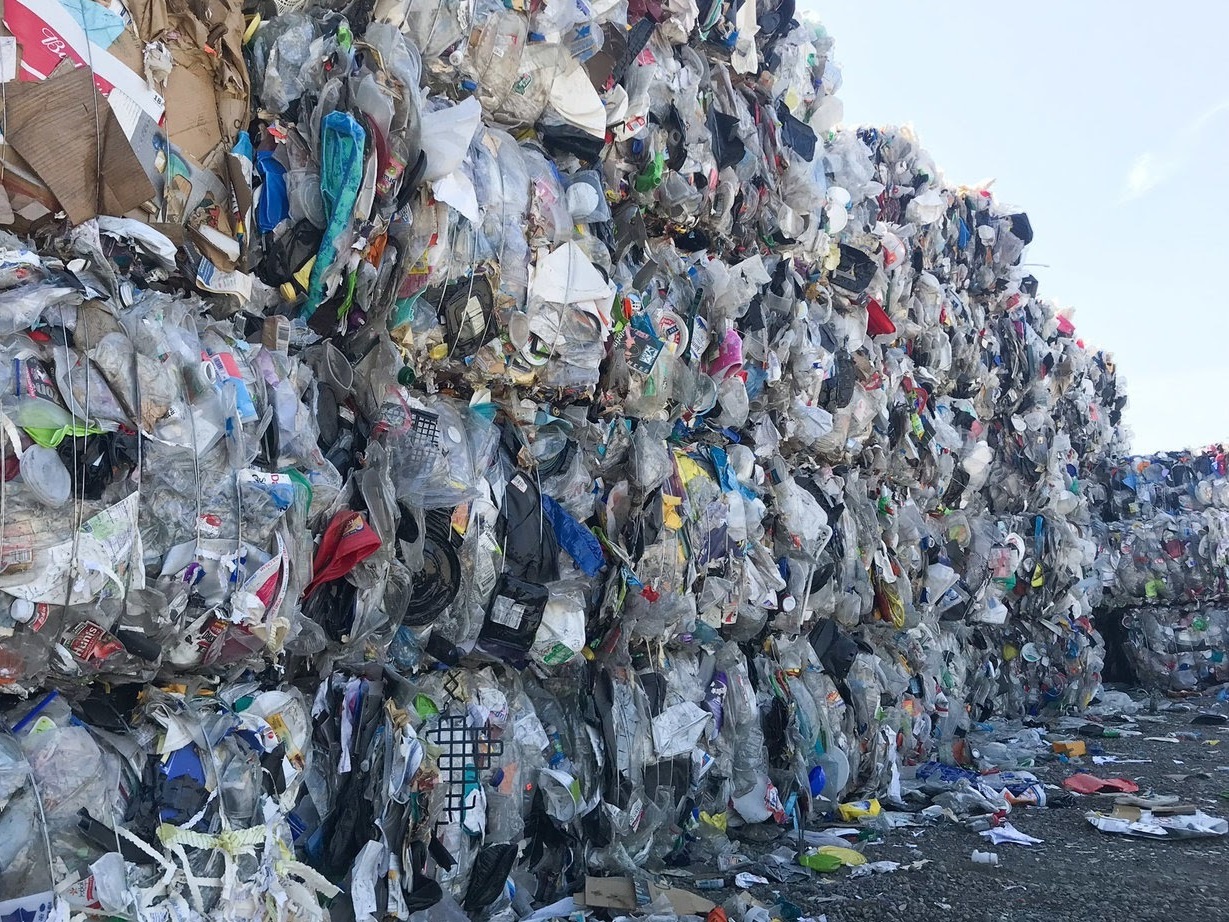
plastic waste

How Continuous Pyrolysis Technology Improves Industrial Efficiency

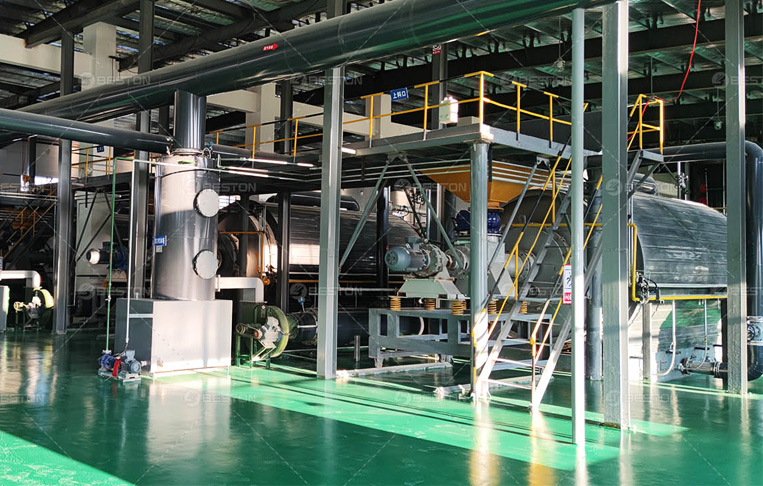
The main advantage of modern pyrolysis solutions is their ability to maintain continuous operation with reduced human intervention. Automated feeding systems, intelligent temperature monitoring, and optimized gas circulation contribute to safer and more stable production. These improvements help operators reduce unnecessary energy losses while increasing the availability of recycling equipment.

For investors evaluating new environmental infrastructure, a continuous pyrolysis plant can provide a practical pathway toward higher processing capacity. Such systems are designed for industrial-scale applications where consistent performance, lower maintenance requirements, and improved operational control are essential factors in project planning.
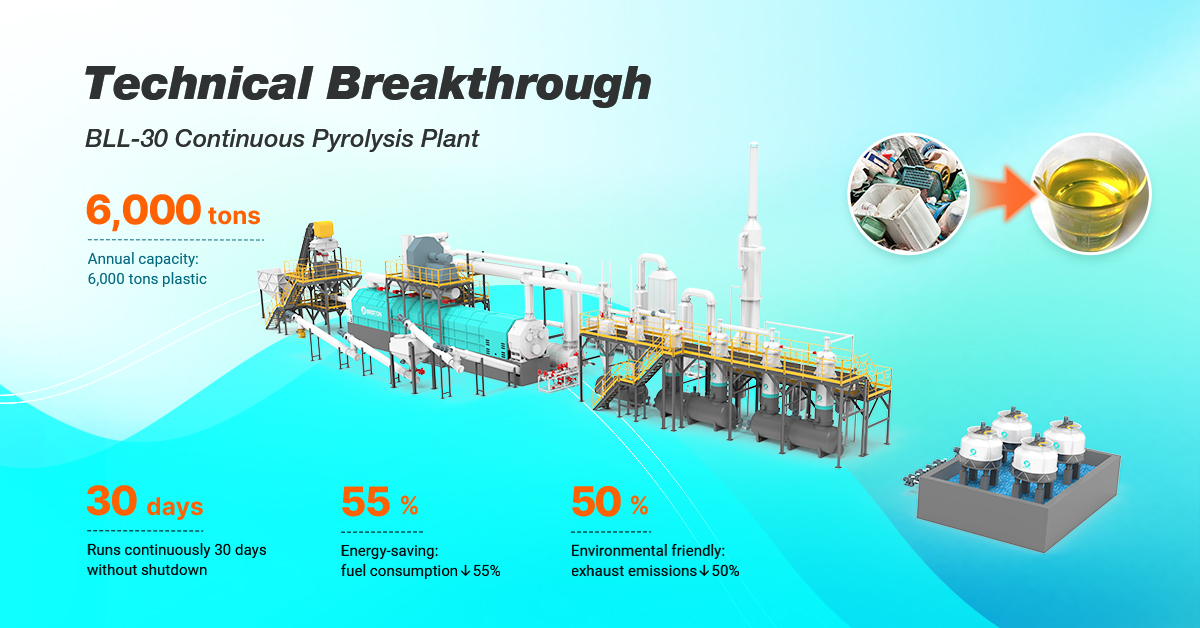
BLL-30-Continuous-Pyrolysis-Plant

Applications Across Different Waste Recycling Industries

One important feature of advanced thermal recycling systems is their adaptability to multiple waste categories. Plastic waste, rubber materials, and other carbon-based resources can be processed through carefully controlled heating conditions to produce useful outputs such as fuel oil, carbon products, and combustible gas. This flexibility supports the development of integrated recycling networks.

In plastic waste management projects, specialized equipment can help address the growing challenge of discarded polymer materials. A plastic pyrolysis plant provides a method for converting difficult-to-recycle plastics into valuable resources while reducing dependence on traditional disposal methods. This approach aligns with global efforts to strengthen circular economy systems and improve material recovery rates.

  • Processes challenging solid waste streams that are difficult to handle through conventional recycling methods.
  • Supports resource recovery by converting waste materials into reusable energy products and industrial materials.
  • Improves environmental performance through reduced landfill dependence and optimized waste utilization.

Economic and Environmental Benefits for Project Investors

For waste treatment investors, profitability depends on reliable operation, marketable products, and controlled operating expenses. Continuous processing models can improve production scheduling and help facilities maintain stable output. Better automation also reduces the need for extensive manual management, allowing companies to allocate resources more effectively.

Environmental benefits are equally important. By recovering value from waste materials, modern pyrolysis systems can reduce landfill pressure and support resource conservation. These advantages make them attractive for municipalities, private recycling companies, and engineering contractors developing sustainable waste management infrastructure.

Supporting Circular Economy Development With Advanced Recycling Solutions

The transition toward a circular economy requires technologies that connect waste generation with resource recovery. Industrial recycling facilities must not only handle increasing waste volumes but also create commercially valuable outputs. Continuous thermal conversion systems offer a foundation for building more resilient recycling supply chains.

For rubber waste applications, a tire pyrolysis plant can help transform discarded tires into useful products while addressing environmental concerns associated with tire accumulation. Such solutions demonstrate how innovative recycling methods can combine economic opportunities with responsible waste management practices.
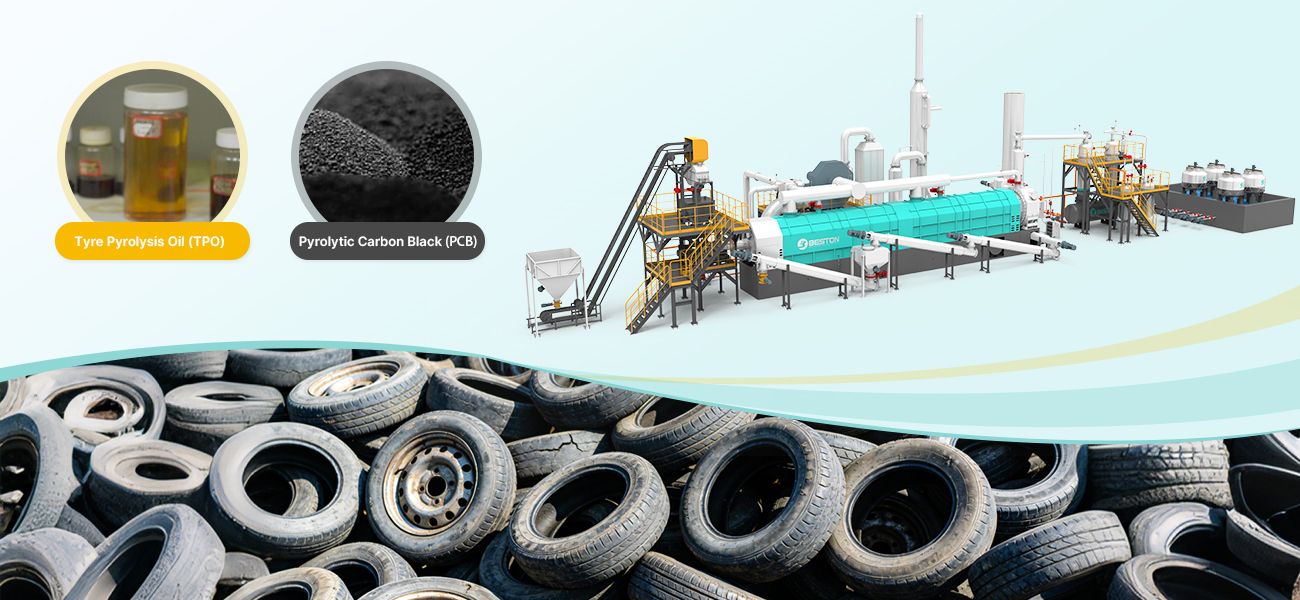
Beston Tyre Pyrolysis Plant

Future Outlook of Continuous Pyrolysis Technology

As environmental policies become stricter and resource shortages increase, industrial recycling companies will continue searching for efficient waste conversion methods. Future developments are expected to focus on smarter automation, improved energy management, and stronger integration with digital monitoring platforms. These upgrades will further enhance operational reliability and investment value.

Companies with extensive experience in environmental equipment development, such as Beston Group, contribute to the expansion of advanced recycling solutions for global markets. The continued adoption of continuous pyrolysis technology represents an important step toward cleaner production systems, improved waste resource utilization, and sustainable industrial development.
How Government Policies Can Foster Pyrolysis as a Green Energy Solution

Pyrolysis, a thermochemical process that decomposes organic material at high temperatures in the absence of oxygen, has become a promising solution for recycling waste materials into valuable products like biofuels, oils, and gases. As governments worldwide push for cleaner, greener technologies to address environmental challenges, pyrolysis is emerging as a key technology to tackle the growing waste management crisis. This blog post will explore how government policies can support and promote pyrolysis as an effective green energy solution, with a focus on tyre pyrolysis, plastic pyrolysis, oil sludge pyrolysis, and biomass pyrolysis.

1. Incentivizing Research and Development (R&D) in Pyrolysis Technologies

Government funding and incentives can play a pivotal role in driving innovation within the pyrolysis sector. Through grants, tax credits, and research partnerships, governments can encourage academic and industrial research into more efficient pyrolysis technologies. For example, biomass pyrolysis research could focus on optimizing the conversion of agricultural waste into biofuels, while plastic pyrolysis research could improve the yield and quality of oil produced from waste plastics.

Governments can also support the development of cutting-edge pyrolysis reactors and processing techniques that enhance throughput, energy efficiency, and the economic feasibility of commercial-scale plants.

2. Implementing Waste-to-Energy Legislation

In many countries, waste management is a significant environmental and economic issue. By passing waste-to-energy legislation, governments can promote pyrolysis as a sustainable alternative to landfill disposal and incineration. Policies could mandate the recycling of specific waste streams such as tyres, plastics, and oil sludge, incentivizing industries to adopt pyrolysis as an eco-friendly solution.

Tyre pyrolysis is a perfect example. Instead of sending millions of used tyres to landfills or incinerators, tire pyrolysis plant can convert them into valuable resources such as oil, carbon black, and steel, which can then be reused in other industries.

Governments can also consider offering subsidies for companies that build pyrolysis plants or use pyrolysis to convert waste materials into energy.

3. Setting Clear Environmental Standards and Goals

Governments can encourage the adoption of pyrolysis technologies by establishing clear environmental standards for waste management and renewable energy production. For example, setting high recycling targets for plastics, tyres, and biomass can create a market-driven incentive for companies to adopt plastic pyrolysis, tyre pyrolysis, and biomass pyrolysis technologies.

By setting these ambitious goals, governments create long-term demand for pyrolysis solutions, encouraging companies to invest in infrastructure and equipment necessary for large-scale operations. These goals can be tied to carbon emissions reduction targets, as pyrolysis helps divert waste from landfills, reducing methane emissions and producing lower-carbon fuels.

BLJ-16-Oil-Sludge-Pyrolysis-Plant-in-China

4. Offering Financial Incentives and Tax Benefits

Governments can also promote pyrolysis as a green energy solution through financial incentives. Tax breaks, low-interest loans, or grants can help defray the initial capital investment required for setting up a pyrolysis plant. This would make it more financially viable for private companies and entrepreneurs to enter the pyrolysis industry.

For instance, oil sludge pyrolysis plant can offer a way to clean up environmental contamination from the oil industry, but the cost of setting up a plant can be a significant barrier. Financial incentives from the government can reduce this barrier, encouraging the private sector to take on such projects. Moreover, offering financial support for research into improving pyrolysis efficiency will lower production costs and increase market competitiveness.

5. Educating the Public and Encouraging Participation

Government programs aimed at educating the public on the environmental benefits of pyrolysis can encourage more sustainable waste disposal habits. Public awareness campaigns about the benefits of tyre pyrolysis, plastic pyrolysis, and biomass pyrolysis can increase consumer participation in recycling programs and waste segregation.

Governments can also collaborate with schools, universities, and local organizations to promote the understanding of pyrolysis technologies, helping to build a greener and more sustainable future. Public understanding of the economic and environmental benefits of pyrolysis will create a more favorable market environment for these technologies.

6. Creating Public-Private Partnerships for Scaling Up Pyrolysis Operations

Governments can foster collaboration between the public and private sectors to scale up pyrolysis operations. Through public-private partnerships (PPPs), governments can share the financial burden of building large pyrolysis plants, while private companies bring in the technical expertise and innovation needed to make the technology commercially successful.

By involving both sectors, governments can ensure that pyrolysis plants are built in strategic locations where waste is abundant and accessible, reducing transportation costs and improving the overall efficiency of the operation. For example, plastic pyrolysis plants can be located near plastic waste generation hubs like industrial centers, reducing the cost of raw material collection and transportation.

7. Strengthening International Cooperation

Finally, governments can foster international cooperation to share knowledge, standards, and technology related to pyrolysis. Countries facing similar waste management challenges—such as those with large volumes of tyre pyrolysis waste, oil sludge, or plastic waste—can work together to harmonize regulations, share best practices, and invest in joint research initiatives.

By forming international coalitions and frameworks, countries can accelerate the global transition to pyrolysis as a green energy solution, promoting the technology’s widespread adoption across the world.

BLJ-16 Oil Sludge Thermal Desorption Unit in Africa

Conclusion

In conclusion, government policies have the potential to significantly accelerate the adoption of pyrolysis technologies, turning them into a cornerstone of sustainable waste management and renewable energy production. By providing financial incentives, setting environmental standards, and fostering public-private partnerships, governments can support industries in adopting biomass pyrolysis, tyre pyrolysis, oil sludge pyrolysis and plastic pyrolysis machine. With the right regulatory and policy framework in place, pyrolysis can play a crucial role in reducing waste, creating clean energy, and mitigating climate change.

Carbon Black, Oil, and Gas: The Triple Output Advantage of a Tyre Pyrolysis Plant

Discarded tires represent one of the most persistent forms of solid waste, with millions accumulating annually across the globe. Modern pyrolysis technology offers a viable and profitable solution to this challenge. By processing end-of-life tires through thermal decomposition in an oxygen-limited environment, a continuous tyre pyrolysis plant efficiently transforms waste into three valuable products: carbon black, pyrolysis oil, and combustible gas. This triple-output model redefines waste as a resource, enhancing both environmental outcomes and economic returns.

Carbon Black: Industrial-Grade Reuse

One of the primary outputs from tyre pyrolysis is recovered carbon black. This fine particulate residue, accounting for up to 35% of the total yield, retains strong reinforcing properties. When refined through milling and magnetic separation, it becomes suitable for use in rubber manufacturing, plastics, coatings, and even printing inks.

The quality and consistency of carbon black depend heavily on reactor design and temperature regulation. Advanced systems like the Beston pyrolysis plant incorporate high-temperature control mechanisms and multi-stage cooling, ensuring superior yield and minimal impurities. Reprocessed carbon black serves as a partial substitute for virgin carbon black, lowering production costs and reducing the carbon footprint of manufacturing sectors.

Pyrolysis Oil: A Substitute Fuel Source

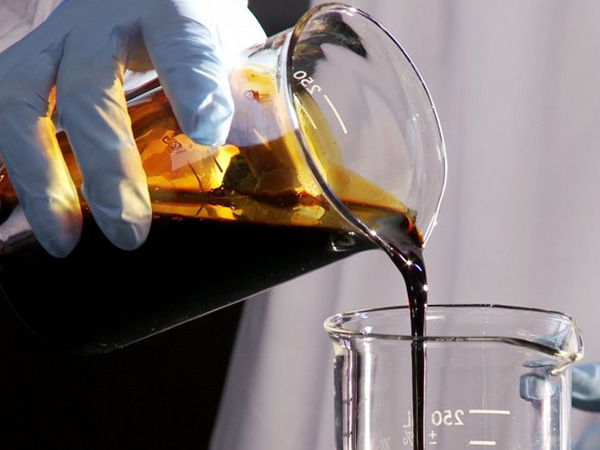
Pyrolysis oil comprises roughly 40–45% of the output, representing the highest energy yield in the process. This dark, viscous liquid is rich in hydrocarbons and can be used directly in industrial burners, diesel generators, or refined further into transport-grade fuels. With volatility in global crude oil markets, pyrolysis oil has emerged as a cost-effective alternative for small and medium-scale fuel consumers.

Continuous pyrolysis equipment offers consistent oil quality through uninterrupted processing, minimizing thermal shocks and maximizing oil recovery. Integrated condensation systems allow for phase separation and collection of light and heavy oil fractions, enhancing market flexibility and end-use compatibility.

Pyrolysis Oil Product

Syngas: Energy for Internal Operations

The third output—non-condensable gas—contains a mix of hydrogen, methane, and light hydrocarbons. Rather than venting this byproduct, it is commonly routed back into the reactor heating system. This self-sustaining energy loop reduces external fuel consumption, lowers operating costs, and improves the overall energy efficiency of the plant.

High-efficiency units, particularly continuous tyre pyrolysis plant designs, feature built-in gas purification systems to filter out acidic or corrosive components before reuse. This enables stable combustion and extends the lifespan of burners and heat exchangers.

Economic Implications and ROI

The integration of these three outputs significantly enhances the commercial viability of the technology. While pyrolysis plant cost can vary based on scale, automation, and environmental controls, the ability to monetize all three byproducts shortens the payback period. With rising demand for alternative fuels and recycled materials, operators benefit from diversified revenue streams and reduced dependence on volatile commodity prices.

A modular Beston pyrolysis plant, for instance, allows phased investment while maintaining high throughput and environmental compliance. Combined with low labor intensity and reduced waste disposal fees, the economic model becomes increasingly attractive for both private investors and municipal waste managers.

Conclusion

The triple-output advantage of tyre pyrolysis creates a unique intersection between sustainability and profitability. By converting waste tires into carbon black, oil, and gas, modern pyrolysis systems—especially continuous configurations—offer a closed-loop solution with tangible economic and environmental gains. This multi-product strategy reinforces the role of pyrolysis as a key player in the circular economy.